

An IT outsourcing company is essentially an external firm you hire to handle some, or even all, of your business's technology needs. Think of it as having your own dedicated technology department on-call, but without the significant overheads of hiring a full-time, in-house team. You get specialised skills in critical areas like cybersecurity, cloud management, and user support, precisely when you need them.
What Is an IT Outsourcing Company?
Imagine you're trying to be an expert mechanic while also driving a race car. That’s often what managing your own IT feels like for many UK business owners. You’re focused on growing the business and looking after customers, but you're constantly getting sidetracked by printer problems, software updates, or worrying about the latest cyber threat.
An IT outsourcing company acts as your professional pit crew. They're a team of technology specialists whose entire job is to keep your business's engine running smoothly and at peak performance.
Instead of going through the lengthy and expensive process of hiring, training, and retaining an internal IT team, you bring in an external partner. This partner takes full responsibility for specific tech functions, which frees up your own team to concentrate on what they do best—driving your core business forward. This approach can turn IT from an unpredictable expense into a powerful asset that actively supports your growth.
More Than Just Fixing Computers
The old "break/fix" model—where you only call for IT help when something goes wrong—is long outdated. A modern IT outsourcing partner works proactively to stop problems from ever happening in the first place.
Their day-to-day responsibilities often look something like this:
- Proactive System Monitoring: They keep a constant eye on your network and devices, spotting and fixing potential issues before they can cause any disruptive downtime.
- Cybersecurity Defence: They build and manage your digital defences—from firewalls to antivirus software—to shield your valuable data from ever-present threats.
- Strategic IT Planning: You get expert guidance on technology investments, helping you make smart, future-proof decisions that align with your business goals.
- Help Desk Support: Your employees have a reliable, single point of contact for fast and effective help with any day-to-day tech challenges they face.
A Growing Trend in the UK
This move towards a strategic partnership is a major shift in the UK business world. In fact, the UK outsourced IT services market hit USD 24.56 billion in 2024 and is expected to almost double by 2033.
This huge growth is being fuelled by businesses that need greater efficiency and access to specialist skills that are simply too difficult or costly to maintain in-house.
Ultimately, working with an IT outsourcing company gives you a real competitive advantage. It opens the door to enterprise-level tools and expertise, empowering small and medium-sized businesses to operate with the same security and efficiency as their larger competitors.
To get a closer look at one of the most popular outsourcing models, check out our guide on what is managed IT services?. For a broader perspective, this a founder's guide to IT outsourcing development is an excellent resource.
Finding the Right IT Service Model for Your Business
So, you’ve decided to look at an IT outsourcing company. That’s a huge first step. But the next decision is just as critical: choosing a service model that actually fits your business, your budget, and where you want to go.
Think of it like choosing how you get around. A pay-as-you-go scooter is fine for quick trips, but a long-term car lease offers reliability for the daily commute. Some businesses need someone constantly watching over their systems, while others just need an expert to call on for a specific project. Getting this choice right means you won't pay for support you don't need, or worse, find yourself high and dry when a crisis hits.
This is all about shifting your focus from fixing IT headaches to actually growing your business.

As the diagram shows, outsourcing is a direct route to getting back valuable time and energy that you can pour straight back into what you do best.
The Proactive Approach: Managed Services
There’s a reason managed services is the go-to model for most businesses. Think of it as an all-inclusive health plan for your technology. Instead of waiting for a problem to pop up, your IT partner is actively monitoring your systems 24/7, spotting and fixing issues before they can cause any disruption.
This model works on a fixed monthly fee, which makes budgeting a breeze. It covers everything from day-to-day help desk support and system maintenance to serious cybersecurity protection. The best part? It puts you and your provider on the same team. They want your systems to run smoothly because it means less reactive firefighting for them. For most UK SMBs, this offers the perfect blend of cost, security, and peace of mind. Our deep-dive on fully managed IT services explains this in much more detail.
The Flexible Power of Cloud Services
While not strictly a support model on its own, cloud services are at the heart of modern IT. It's like renting a secure, infinitely expandable warehouse instead of building your own. An IT outsourcing partner can handle your move to the cloud and manage everything for you once you're there.
This typically covers a few key areas:
- Infrastructure as a Service (IaaS): This gives you access to the building blocks like servers and storage over the internet, without needing any physical kit on-site.
- Software as a Service (SaaS): This is all about using powerful applications hosted by someone else, like Microsoft 365, without the fuss of installing and updating them.
- Platform as a Service (PaaS): For businesses that develop their own software, this provides a ready-made environment to build and run applications without worrying about the back-end infrastructure.
Going down the cloud route gives you incredible flexibility. You can scale your resources up or down in minutes and give your team secure access to what they need, wherever they are.
Specialised Support Models
Beyond the all-encompassing managed services model, you can get support that’s tailored to very specific needs.
Cybersecurity Services
This is your dedicated digital bodyguard. With cyber threats getting cleverer by the day, many businesses choose a specialist service focused entirely on keeping them safe. This goes way beyond basic antivirus, covering advanced threat detection, incident response, and ensuring you're compliant with UK data protection laws.
A partner focused on cybersecurity isn't just installing software. They're actively hunting for threats, managing firewalls, and training your staff to be your first line of defence against phishing and social engineering.
Project-Based Support
Got a one-off IT job that needs doing? Maybe an office move, a server upgrade, or rolling out new software? This is where project-based support comes in. You hire an IT company for a single, clearly defined project with a fixed scope and budget. It’s the perfect way to get expert help without signing up for a long-term contract.
Break/Fix Model
This is the classic, old-school approach. When something breaks—a laptop dies or the server goes down—you call a technician and pay them by the hour to fix it. While it might sound cheap on the surface, the unpredictable costs and the potential for long periods of downtime make it a very risky strategy for any business that depends on its tech to function.
Weighing the Benefits and Risks of Outsourcing
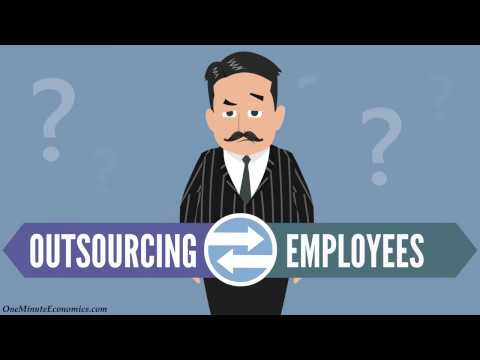
Handing over the keys to your technology can feel like a huge leap of faith. For any UK business owner, deciding to work with an IT outsourcing company means carefully weighing up some significant advantages against potential drawbacks. Getting to grips with both sides of the coin is the only way to make a confident choice that genuinely serves your long-term goals.
The conversation usually kicks off with cost, but the real value runs much deeper. When you partner with an external provider, you instantly sidestep the expensive and lengthy process of hiring specialist in-house staff. Suddenly, you have access to a deep pool of talent—experts in cybersecurity, cloud systems, and network engineering whose combined salaries would be a massive stretch for most small businesses.
This isn't just about saving money on payroll; it's about gaining strategic agility. An IT partner allows you to scale your tech resources up or down at a moment's notice. You can respond quickly to new opportunities or shifting market conditions without being shackled by fixed staffing costs.
The Clear Advantages of Outsourcing IT
The biggest benefit is turning your IT from a reactive cost centre into a proactive business driver. Instead of constantly firefighting unexpected problems, you gain a partner whose entire job is to prevent those problems from happening in the first place. This proactive mindset leads to a far more stable and reliable technology environment.
Other key benefits include:
- Access to Enterprise-Grade Technology: Good providers invest heavily in the latest security tools and monitoring software, giving you a level of protection that would be incredibly difficult and costly to achieve on your own.
- Improved Focus on Your Core Business: With your technology managed by experts, you and your team are free to concentrate on what you do best—serving your customers and growing the business.
- Predictable Monthly Costs: Most managed services operate on a fixed monthly fee. This makes budgeting for IT straightforward, with no nasty surprises from unexpected repair bills.
- Enhanced Security and Compliance: A quality partner will be well-versed in UK data protection regulations, helping to ensure your business stays compliant and secure against ever-changing cyber threats.
The move towards outsourcing is picking up pace as UK businesses see it as a core strategy for growth. A recent survey found that 57% of UK organisations plan to significantly increase their use of outsourced services in 2025. This highlights a clear shift from viewing outsourcing as a simple cost-cutting exercise to seeing it as a vital tool for gaining a competitive edge.
Navigating the Potential Risks
Of course, outsourcing isn’t without its risks, and it’s important to tackle them head-on. The most common worry is a perceived loss of direct control. When your IT team is no longer just down the corridor, you’re placing a great deal of trust in a third party to manage your critical systems.
Security is another major consideration. Giving an external company access to your network and sensitive data inherently introduces risk. If you choose the wrong partner—one without solid security protocols or a proven track record—you could unintentionally expose your business to data breaches or compliance failures. It's crucial to understand these risks and know how to build a robust third-party risk management framework.
This is precisely why your selection process is so critical. A transparent and professional IT outsourcing company will tackle these concerns with clear Service Level Agreements (SLAs), detailed security policies, and regular performance reporting to keep you firmly in the loop. To see how a managed services model specifically addresses these risks, you can explore the key benefits of managed IT services.
Getting to Grips with IT Outsourcing Prices
Figuring out how an IT company will actually bill you is a massive part of choosing the right partner. A confusing pricing structure is a red flag, often leading to surprise costs and a wrecked budget. Thankfully, most good providers stick to a handful of common models, each built for different kinds of businesses.
The first job is to cut through the jargon on a quote. You’re not just looking for the cheapest deal; you’re looking for the one that offers the best value and predictability for how your business really works. Let's break down the main ways IT companies charge for their services.
The Per-Device Model
This is one of the oldest and simplest ways of pricing IT support. You pay a flat, fixed monthly fee for every single piece of kit the IT company looks after. That includes every desktop, laptop, server, and sometimes even things like network printers or firewalls.
It’s easy to get your head around and makes budgeting straightforward because the cost is directly linked to your hardware inventory. Got 20 computers and two servers? Your bill is based on those 22 devices. Simple. This works great for businesses that have a consistent number of workstations and on-site equipment.
But, it can get a bit pricey when your team members start using multiple devices – maybe a desktop in the office, a laptop for the road, and a company smartphone. In that situation, you could end up paying for one person's support three times over. That’s when other models start to look more appealing.
The Per-User Model
As work has become more flexible, the per-user model has really taken off. Instead of charging for each bit of hardware, the provider charges a single flat fee for each employee they support, no matter how many devices that person uses.
This makes billing so much simpler, especially for businesses with remote or hybrid teams where people are constantly switching between their tech. Your IT costs are tied directly to your headcount, which makes them incredibly predictable and easy to manage as you grow.
This approach is popular with modern businesses because it’s all about supporting people, not just machines. It gets that an employee needs smooth tech support across their entire digital workspace, from the office PC to their laptop at home.
The Tiered Pricing Model
Many IT support companies offer a bundled or tiered approach. They'll create a few different service packages—often called something like Bronze, Silver, and Gold—at different price points. Each level up includes more services.
- Bronze Tier: Usually covers the basics, like remote monitoring, antivirus checks, and help desk support during office hours.
- Silver Tier: Might add proactive system maintenance, on-site visits, and better cybersecurity protections.
- Gold Tier: The top package often includes everything from the lower tiers, plus strategic IT advice, disaster recovery planning, and 24/7 support.
This model gives you the freedom to pick a plan that fits your immediate needs and budget. The main thing to watch out for is making sure the tier you choose genuinely covers everything you need without making you pay for extras you’ll never touch.
The All-Inclusive Model
Sometimes called a "fixed-fee" model, this is the whole package. For one clear, predictable monthly payment, your IT partner manages every single part of your technology. The price usually covers unlimited remote and on-site support, all hardware and software management, project work, and big-picture strategic guidance.
An all-inclusive model gives you total peace of mind and budget certainty. There are no hidden fees or unexpected invoices for extra work. This structure also puts you and your provider on the same team—it’s in their best interest to keep your systems running smoothly to reduce their own workload. It's a proper partnership.
How to Select the Right IT Outsourcing Partner

Choosing an IT partner is one of the biggest decisions you’ll make for your business. This isn’t about just hiring a supplier; it's about welcoming a strategic partner into your organisation. Get it right, and they can supercharge your growth and shield you from risk. Get it wrong, and you’re looking at costly downtime and endless frustration.
To find the right fit, you have to look past the slick sales pitches and glossy brochures. A great IT partnership is built on a foundation of proven expertise, open communication, and a genuine interest in your business goals. That means you need a proper evaluation process to cut through the noise and zero in on what truly matters.
Verify Their Industry Experience and Reputation
First things first: you need proof they understand businesses like yours. A company with a track record of supporting law firms might be out of its depth with a creative design agency. Their experience has to be relevant to your specific sector and your company's size.
Start by asking for case studies and client testimonials, and pay close attention to ones from UK-based SMBs. Don’t just skim them—dig into the details. What problems did the client have? How did the IT company fix them, and what were the actual, measurable results?
This is also where you check for industry-standard accreditations.
- Cyber Essentials Plus: This government-backed scheme is non-negotiable. It proves a provider has the right cybersecurity controls to protect you from common threats.
- ISO 27001: This is the international benchmark for information security management. Certification shows a serious, systematic commitment to protecting client data.
- Microsoft Partner Status: If your business runs on the Microsoft ecosystem (like Microsoft 365 or Azure), a certified partner has proven skills and a direct line to Microsoft support when needed.
These aren't just fancy badges; they’re independent proof of a company's technical skills and dedication to security.
Scrutinise Their Security Protocols
In an age of non-stop cyber threats, your IT partner is your first line of defence. You have to be absolutely confident their security practices are rock-solid, not just for their own systems but for how they'll manage yours.
Don’t be shy about asking direct, detailed questions. How do they handle data encryption, both when it’s moving and when it’s stored? What are their access control policies for your sensitive information? Ask to see their documented incident response plan that lays out exactly what happens if a security breach occurs.
A trustworthy provider will be an open book about their security measures. If a potential partner gets vague or dismisses these questions, treat it as a massive red flag. Real security is built on clear, documented, and verifiable processes.
This is a critical step in vetting any it outsourcing company. You're entrusting them with your most valuable digital assets, so they need to earn that trust.
Evaluate Communication and Support Guarantees
Technical expertise is useless if you can't get hold of someone when you need help. How a potential partner communicates during the sales process is often a sneak peek into what they’ll be like to work with long-term. Are they responsive, clear, and easy to understand, or do they hide behind a wall of technical jargon?
The most critical document here is the Service Level Agreement (SLA). This is the legally binding part of your contract that spells out the exact standards of service you can expect.
Look for specific, measurable guarantees in the SLA, such as:
- Guaranteed Response Times: How quickly will they acknowledge a support ticket for a critical issue versus a low-priority one?
- Resolution Times: What’s their target for actually fixing the problem?
- System Uptime: Do they promise a certain percentage of availability for key systems, like 99.9%?
- Reporting: How often will you get performance reports and sit down for strategic review meetings?
A solid SLA creates accountability and gives you clear options if the service doesn’t live up to its promises. Finding the right managed service provider is a detailed process, and our guide on how to choose the right MSP offers an even deeper checklist. Ultimately, you're not just looking for a technician; you’re looking for a partner who clicks with your company culture and understands your long-term vision.
What to Expect During the Onboarding Process

Switching IT providers can feel like a massive leap of faith, but it really shouldn't. Any professional IT outsourcing company worth its salt has a clear, structured plan to get you from your old provider to them without causing chaos. It's all about making the transition as smooth as possible, and knowing what to expect takes the fear out of the equation.
The whole process is designed around one thing: a seamless handover. This isn't a "flick a switch and hope for the best" situation. Think of it as a carefully managed project with distinct stages, making sure nothing falls through the cracks and your business is looked after from day one. The good news for UK SMBs is that the outsourcing market here is mature, so these onboarding processes are generally well-oiled machines.
Let's break down the typical journey you'll go on when you partner with a new IT firm.
Phase 1: The Discovery and Deep-Dive Audit
First things first, your new partner needs to get under the bonnet of your business. They can't support what they don't understand, so the journey always starts with a thorough audit of your entire IT setup.
This is far more than just a quick headcount of your PCs. A proper audit involves:
- Mapping your network infrastructure to see exactly how everything talks to each other.
- Assessing your cybersecurity defences to spot any glaring holes or immediate risks.
- Reviewing all your software licences and the critical applications your team relies on.
- Chatting with key staff members to learn about their daily frustrations and what works (and what doesn't).
This discovery phase is the bedrock of the entire relationship. It gives your provider a complete health check of your technology, allowing them to build a plan that actually fits your business.
Phase 2: Building the Strategy and Roadmap
Once the audit is done and they have a clear picture, it's time to build a plan. Your new provider will sit down with you to create a detailed migration plan and a technology roadmap. This document becomes your blueprint for the entire transition, laying out every task, who's responsible for it, and when it will happen.
A solid roadmap sets a firm 'go-live' date and details all the steps needed to get there with the least amount of fuss. Crucially, it should also look beyond the initial switch, mapping out how your technology can support your business goals over the next few years. This kind of forward-thinking is what separates a genuine partner from a simple supplier.
The aim here is to get everyone on the same page. No nasty surprises. You should know precisely who is doing what, when it’s happening, and what (if any) impact it will have on your team.
Phase 3: The Go-Live and Seamless Migration
This is the main event – the moment the actual switch happens. A professional team will always schedule the most disruptive work for outside of your business hours. Think weekends or overnight. This means you can close up on a Friday and walk in on Monday to your new IT support, without losing a minute of productivity.
During this phase, they'll be busy deploying monitoring software to your computers, moving data if required, and officially taking the reins of your systems. The goal is a handover so smooth your staff might not even realise it's happened—until they need help and have a new, friendly team to call.
Phase 4: Ongoing Support and Regular Reviews
Once you're successfully onboarded, the partnership truly begins. Your IT company shifts from a project-focused team to your day-to-day support crew. The final step of onboarding is simply introducing your staff to the new helpdesk and how to get support.
From this point forward, you should expect constant communication. This usually takes the form of monthly performance reports and quarterly strategic reviews. It’s all about making sure your IT isn't just running, but actively helping your business grow and adapt for years to come.
Your Top IT Outsourcing Questions Answered
Even when you understand the benefits, it's completely normal to have a few lingering questions before you hand over the keys to your IT. Making the right decision for your business is a big deal, so let's tackle some of the most common concerns we hear from UK business owners.
Think of this as a straightforward chat to clear up any doubts, helping you move forward with confidence.
How Can I Trust an Outsider with Our Company’s Sensitive Data?
This is probably the most important question of all, and the answer is simple: trust has to be earned and, more importantly, proven. Don’t just take a provider's word for it. A credible IT partner in the UK will have certifications like Cyber Essentials Plus or ISO 27001. These aren't just fancy badges; they're proof that the company has been independently audited and meets strict, recognised security standards. Ask to see the certificates.
A good partner will also be completely open about how they operate. Get them to explain their security protocols—everything from data encryption and who can access your systems, to what happens if there’s a breach. All of this should be nailed down in your contract, clearly stating who owns the data, confidentiality clauses, and their liability. It’s about creating a partnership with clear, legally-binding protections in place.
Will I Lose Control Over My Own IT?
This is a common myth. Outsourcing your IT doesn't mean giving up control; it means delegating the day-to-day grind so you can focus on the big picture. You’re still the one steering the ship, setting the overall strategy and business goals. Your IT partner is the specialist crew that executes your vision, not the one who decides the destination.
The secret to staying in the driver's seat is building a relationship based on clear communication and accountability. This is where a detailed Service Level Agreement (SLA) becomes your best friend. It sets out specific, measurable targets your partner must hit. Combined with regular performance reports, it gives you total oversight without ever needing to fix a server yourself.
Isn’t IT Outsourcing Just for Big Corporations?
Absolutely not. In fact, you could argue that small and medium-sized businesses (SMBs) have the most to gain from it. Outsourcing is a great leveller, giving smaller companies access to the kind of high-end technology and expert knowledge that was once only affordable for large enterprises.
Think about it. Instead of trying to find and afford one in-house person who has to be a jack-of-all-trades, you get a whole team of specialists on your side. Suddenly, you have experts in cybersecurity, cloud infrastructure, and network support, all for a single, predictable monthly cost. It’s a smart way for an SMB to punch above its weight and turn IT into a tool for growth.
Ready to transform your IT from a cost centre into a strategic advantage? At HGC IT Solutions, we provide proactive managed IT services, robust cybersecurity, and expert cloud solutions tailored for UK SMBs. Let's talk about how we can support your business growth.