

When you hear "IT solutions services," it’s easy to think of the classic break-fix model – something goes wrong, you call for help, and someone comes to fix it. But that’s only a tiny piece of the puzzle. True IT solutions are about forming a strategic partnership to proactively manage your entire technology infrastructure.
The real goal isn't just fixing problems. It's about preventing them from happening in the first place, locking down your data, and building a solid tech foundation that actually helps your business grow.
Decoding the Value of IT Solutions Services
Think of your business as a high-performance race car. You wouldn't just wait for the engine to blow out mid-race, would you? Of course not. You’d have a dedicated pit crew constantly running diagnostics, fine-tuning performance, and making sure every part is in perfect working order.
That’s exactly what IT solutions services do for your technology.
They shift the focus away from reacting to disasters and towards proactive, constant oversight. This approach keeps everything – your servers, network, software, and security – running like a well-oiled machine. It’s all about preventing that soul-destroying downtime that brings your entire operation to a grinding halt, so your team can just get on with their jobs.
The Core Functions of IT Services
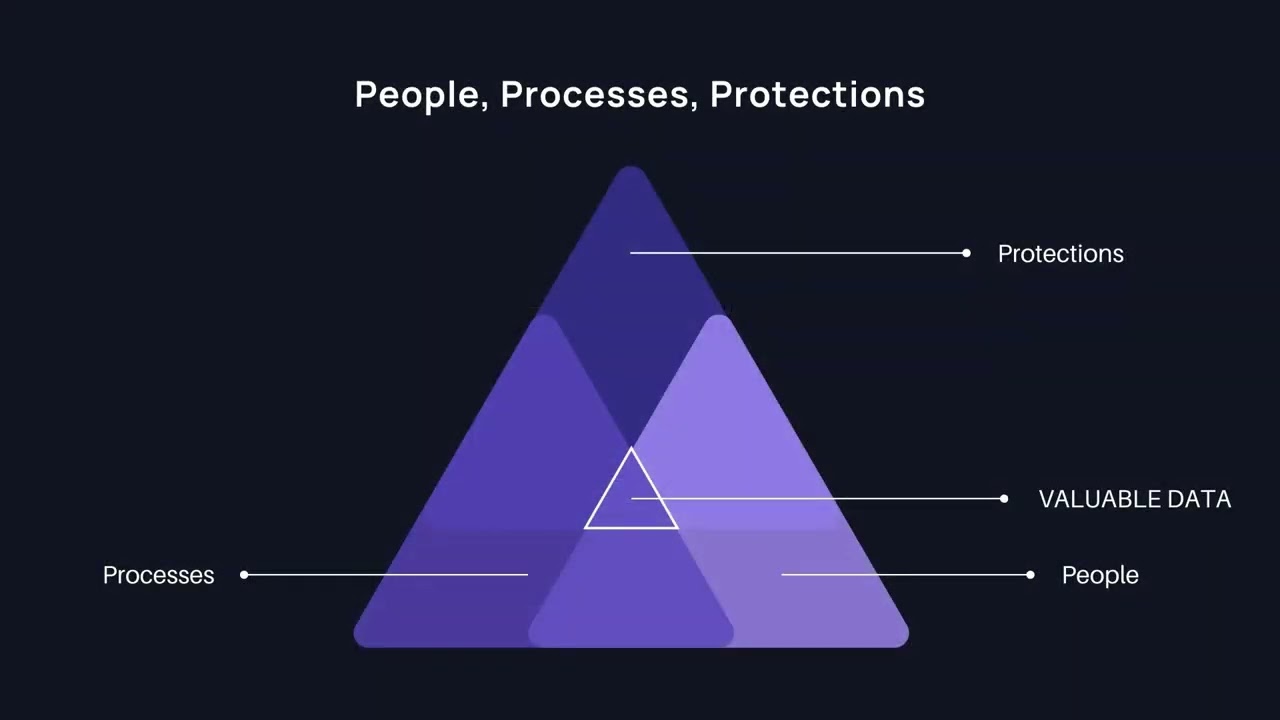
At its heart, this strategy rests on three key pillars. These services aren't just about keeping the lights on; they’re designed to actively protect and improve how your business works.
- Proactive Problem Prevention: This is about spotting and sorting out potential glitches before they ever affect your team's workflow. Think of it as a regular health check-up for your systems.
- Robust Data Security: In today's world, this is non-negotiable. It involves setting up multiple layers of protection to shield your company and customer data from constant cyber threats.
- Strategic Growth Enablement: Your technology should never hold you back. This function ensures your IT can grow alongside your business, supporting new projects and higher demand without creaking at the seams.
This diagram helps to visualise how these core functions work together to build a truly comprehensive IT strategy.

As you can see, a solid IT plan is a balancing act between defence and ambition – protecting what you have while paving the way for future success.
Why This Matters for Modern Businesses
Let's be honest, the need for dependable technology has never been greater. The UK IT services market was valued at USD 40.2 billion and is projected to hit an incredible USD 100.7 billion by 2033, largely thanks to breakthroughs in AI and cloud computing.
This explosive growth signals a major shift in thinking. Businesses no longer see IT as just another overhead; they see it as a fundamental driver of success. For example, modern AI Help Center solutions are a perfect illustration of how smart IT can be used to improve customer support and create self-service options.
If you want to understand more about how this proactive approach is put into practice, a great place to start is by reading our guide on https://hgcit.co.uk/blog/what-is-managed-it-services/.
The Four Pillars of Modern IT Services

The world of IT solutions services isn’t a single, generic package. It’s actually built on four distinct pillars, each tackling a critical piece of your business's technology puzzle. Knowing what these are helps you figure out exactly what kind of support you need and the value you should expect.
It helps to think of them as specialist crews for a racing team. You’ve got the engine experts, the chassis specialists, the safety inspectors, and the race strategist. They all have very different jobs, but they work in concert to get you across the finish line.
Managed IT Services: Your Proactive Watchdog
First up, we have Managed IT Services. Think of this as your 24/7 tech watchdog, the team keeping a constant eye on your systems. Their job is to manage your entire IT setup—servers, networks, employee devices, the lot—before things go wrong.
This isn’t about waiting for a panicked phone call. It’s about handling routine maintenance, applying security updates, and monitoring performance to catch tiny hiccups before they grow into business-halting disasters. It’s the difference between a quick tune-up and a catastrophic engine failure mid-race.
A great managed services provider shifts your business from a reactive "break-fix" cycle to a proactive "prevent-and-optimise" model. This is the cornerstone of operational stability and predictable costs.
Cloud Computing: Your Flexible Digital Workspace
Next is Cloud Computing, which is like having a flexible, on-demand digital workspace for your business. Instead of housing and maintaining bulky, expensive servers in a cupboard, you access computing power, storage, and software over the internet.
This pillar is all about agility. An e-commerce shop, for example, can use the cloud to instantly get more server power to handle a massive traffic spike during a Black Friday sale, then scale right back down when it’s over. You only pay for what you use, making it an incredibly efficient way to manage resources.
Cybersecurity Services: Your Digital Security Guards
The third pillar, Cybersecurity Services, acts as your team of dedicated digital security guards. Their entire focus is on one thing: protecting your business from the relentless threat of cyberattacks, data breaches, and other digital nasties.
This goes way beyond just installing antivirus software. A proper cybersecurity service wraps multiple layers of defence around your organisation.
- Threat Monitoring: Actively hunting for potential security threats before they can do any harm.
- Employee Training: Teaching your team how to spot phishing emails and follow smart security habits.
- Incident Response: Having a clear, rehearsed plan to minimise damage and recover quickly if a breach happens.
For a healthcare clinic, this pillar isn't just important; it's non-negotiable for protecting sensitive patient records and meeting strict data protection laws. You can see how all these pieces fit together in our guide to a complete business IT solution.
IT Strategy and Consulting: Your Technology Roadmap
Finally, there's IT Strategy and Consulting. This is your technology roadmap—the high-level plan that makes sure your IT spending is directly linked to your business goals. It provides the "why" behind every technology decision you make.
An IT strategist helps you tackle the big questions, like, "What technology do we need to hit our five-year growth targets?" or "How can we use automation to make our internal processes more efficient?" They give you the expert guidance to make smart, forward-thinking decisions, ensuring your technology doesn't just support the business—it actively pushes it forward.
To put it all together, here's a quick look at how these pillars address different business challenges.
Understanding the Core IT Service Pillars
| Service Pillar | What It Does | Solves Problems Like |
|---|---|---|
| Managed IT Services | Proactively monitors, maintains, and manages your entire IT infrastructure around the clock. | "My systems are always breaking," "Our IT costs are unpredictable," "We have no one watching our network." |
| Cloud Computing | Provides on-demand access to computing resources like servers, storage, and software over the internet. | "We need more flexibility," "Our server hardware is old and expensive," "Our team needs to work from anywhere." |
| Cybersecurity Services | Defends your digital assets against cyberattacks, data breaches, and unauthorised access. | "I'm worried about ransomware," "How do we protect customer data?" "Are our employees a security risk?" |
| IT Strategy & Consulting | Aligns technology decisions with long-term business objectives to drive growth and efficiency. | "Is our tech spending worth it?" "What technology do we need for the future?" "How can IT help us beat competitors?" |
Each pillar plays a vital role. While you might lean more heavily on one than another at any given time, a truly robust IT setup understands how to blend all four to create a secure, efficient, and forward-looking business.
How IT Services Drive Real Business Results
Investing in technology should always circle back to your bottom line. Professional IT solution services aren't just about fixing technical hitches; they're a direct line to better profitability, efficiency, and a real competitive edge. The magic happens when IT stops being a cost and starts generating tangible results for your business.
This means shifting from a reactive "break-fix" mindset to a forward-thinking strategy that delivers outcomes you can actually measure. Whether it's stronger security that protects your brand's reputation or smoother operations that boost your team's output, every part of a good IT service is designed to strengthen your business from the inside out.
From Operational Stability to Strategic Growth
One of the first things you'll notice is a move towards predictable costs and rock-solid operational stability. When your systems are looked after proactively, you dramatically cut the risk of expensive downtime that kills productivity. An unexpected server failure isn't just an IT headache; it's lost revenue, missed deadlines, and a team that can't do its job.
Think of proactive maintenance as a preventative health plan for your technology. It catches the small problems before they snowball into costly emergencies. This stability gives you a reliable foundation to build on, letting you focus on your core business instead of constantly putting out fires. Once that solid base is in place, you can scale your operations with confidence, knowing your tech can keep up.
This approach is becoming essential for business success, which helps explain why the United Kingdom's IT services market is growing so quickly. Projections show a Compound Annual Growth Rate (CAGR) of around 10.36%, fuelled by the wider adoption of cloud computing and AI in key industries. You can dive into the full analysis of this market growth on archivemarketresearch.com.
Securing More Than Just Data
In the world we live in today, strong cybersecurity does more than just protect files—it protects your entire business reputation. A single data breach can shatter customer trust in an instant, leading to financial penalties and long-term damage to your brand.
Strategic IT services build multiple layers of security, transforming your defence from a simple wall into a sophisticated security system. This protects your assets, ensures compliance, and gives your customers peace of mind.
This complete approach to protection involves a few key actions:
- Proactive Threat Hunting: We don't just wait for attacks. This means actively searching for weak spots before hackers can find and exploit them.
- Employee Security Training: Your staff can be your strongest defence. We help turn them into a human firewall by teaching them how to spot and report threats like phishing emails.
- Incident Response Planning: If the worst happens, you need a plan. This means having a clear, step-by-step guide to minimise the damage and get you back up and running fast.
Ultimately, investing in professional IT solution services is an investment in business resilience. It ensures your operations run smoothly, your costs are predictable, your data is secure, and your company is ready to grow without being held back by its technology.
Finding an IT Partner That Fits Your Business

Choosing a provider for IT solutions services is one of the biggest decisions you'll make. This isn’t just about signing another vendor contract; it’s about finding a genuine partner. The right fit isn't found by just comparing monthly fees. It's about finding a team that truly gets your business goals and feels like an extension of your own staff.
Think of it like hiring a senior manager. You wouldn't just glance at their CV and salary expectations. You'd want to understand how they think, how they handle pressure, and whether they actually believe in your company's vision. You need to apply that same level of care here.
To see past the slick sales pitches and find a partner who will genuinely have your back, you have to ask the right questions. This process is all about gauging their technical chops, their support system, and their ability to think strategically.
Key Questions to Ask Potential IT Providers
Before you even think about signing a contract, you need to do some digging. How a potential partner operates day-to-day is far more important than what their brochure says. Their answers to your questions will tell you everything you need to know about their real capabilities and whether they're a good cultural fit.
Here’s a practical checklist to get the conversation started:
- What is your average response and resolution time? Get specific numbers here. There’s a huge difference between how long it takes to simply acknowledge a problem and how long it takes to actually fix it. You need to know both.
- Do you have experience in our industry? An IT provider who already understands the unique challenges and compliance headaches in your sector (like finance or healthcare) is worth their weight in gold. They'll be light years ahead of a generalist.
- How do you align technology with business goals? The best partners don't just fix what's broken; they act as strategic advisors. They should be able to clearly explain how a new piece of tech will help you hit a specific business target, like boosting productivity or breaking into a new market.
Finding the right IT partner is about building trust. They should feel like part of your team, proactively suggesting improvements and being fully accountable for keeping your technology running smoothly and securely.
Verifying Their Expertise and Track Record
Once you have a shortlist, it’s time to check their homework. Talk is cheap, and a polished presentation doesn’t mean much when your systems are down. Don't be shy about asking for solid proof of their skills and happy clients.
It's always a good idea to see what different companies offer; for instance, you could browse Freeform Agency's services to get a feel for how providers position themselves. The most important step, though, is to ask for client references—and actually call them. Ask those references specific questions about what it was like during a major crisis or a tricky project. That's how you'll get the real, unfiltered story of how a provider performs when it truly matters.
What to Expect When Onboarding a New IT Partner

Bringing a new IT provider into your business can feel like a huge step, but a good partner makes the whole process feel straightforward and organised right from the start. A great onboarding experience isn't about disruptive upheaval; it’s a carefully structured process designed to get new systems bedded in with minimal fuss. Think of it as a collaboration, not a takeover.
The entire process is built to move your business from where it is now to a more secure, efficient, and future-ready position. A well-managed transition means your team can keep working without any major hiccups while the new tech foundations are being laid. The best providers for it solutions services have this down to a fine art.
This methodical approach is crucial, especially as the UK’s IT services market continues its rapid expansion. Currently valued at an estimated USD 105.14 billion, the market is forecast to hit USD 180.65 billion by 2032, with managed services leading the charge. You can explore the market research from verifiedmarketresearch.com to get a better sense of this growth.
The Initial Discovery and Assessment Phase
The journey always begins with a deep dive into your current setup. This is the discovery phase, where your new partner acts a bit like a detective, mapping out every corner of your IT infrastructure. They'll carry out a full audit of your hardware, software, network, and security protocols.
But this stage isn't just about spotting problems. It’s about understanding what works well, what doesn't, and where the biggest opportunities for improvement are. Your team's input here is absolutely vital, as you provide the real-world context for how technology is used day-to-day.
Strategic Planning and Deployment
Once the assessment is complete, the focus shifts to creating a strategic roadmap. This isn't just a technical document; it's a business plan that connects the technology directly to your company's goals. This is where we set clear timelines, define who is responsible for what, and establish key performance indicators (KPIs) to measure success.
After everyone agrees on the plan, the deployment kicks off. This is the hands-on part, which usually includes:
- Data Migration: Securely and carefully moving your information from old systems to new ones.
- System Configuration: Setting up hardware and software exactly as outlined in the plan.
- User Training: Making sure your team feels comfortable and confident using any new tools.
The ultimate goal of onboarding is to reach a point where the new IT partner operates as a seamless extension of your business, proactively managing your technology so you can concentrate on growth.
A smooth integration all comes down to clear communication and meticulous planning. To help you prepare for this important period, you can find some valuable insights in our guide on making the transition during your first 90 days with managed IT support. It's a great resource to ensure the partnership is set up for long-term success right from day one.
Common Questions About IT Solutions Services
It's completely normal to have a lot of questions when you're looking into IT support. As a business owner, you need straight answers to make smart decisions for your company. To help with that, we've put together some clear, practical answers to the questions we hear most often about it solutions services.
Our aim here is to cut through the jargon and explain what these services are and, more importantly, how they actually work in the real world. Getting a good handle on everything from pricing to security is the first step towards building a solid technology foundation for your business.
Proactive vs Reactive IT: What Is the Difference?
This is probably one of the most important distinctions to understand in the world of IT support. While "proactive" and "reactive" might sound like just a couple of buzzwords, they represent two fundamentally different ways of thinking about your technology.
Reactive support is the old-school "break-fix" model. Something breaks—a server crashes, an app won't open, a laptop dies—and you call for help. A technician then comes in to fix that one specific problem. It's all about reacting to issues after they’ve already happened.
Proactive support, which is what modern managed IT services are all about, focuses on stopping those problems from happening in the first place. This means continuous system monitoring, regular maintenance, applying security updates, and tweaking performance. Think of it like preventative medicine for your tech; the goal is to keep everything running smoothly and head off disasters before they even have a chance to strike.
How Are IT Services Priced?
Knowing how you'll be charged is obviously critical for budgeting. While every provider has their own approach, most it solutions services have moved away from the unpredictable, one-off bills of break-fix support and towards a few common pricing models.
This shift gives you a predictable monthly cost, making it far easier to manage your cash flow.
- Per-User Pricing: You pay a flat fee each month for every person on your team. This is a simple, transparent model that scales up or down as your company grows or shrinks.
- Per-Device Pricing: This is very similar to the per-user model, but your monthly fee is calculated based on the number of devices (like computers, servers, and printers) being looked after.
- Tiered Plans: It’s common for providers to offer a few different packages (think Bronze, Silver, and Gold). Each tier comes with a different level of service, so you can pick the one that aligns with your specific needs and budget.
The move towards subscription pricing is a game-changer for businesses. Instead of getting hit with a massive, unexpected bill for an emergency repair, you have a consistent operational cost that covers all the proactive management and support you need.
How Do IT Partners Strengthen Cybersecurity?
A great IT partner does so much more than just install some antivirus software and call it a day. They build a deep, multi-layered defence system to protect your business from the ever-growing list of digital threats out there. This isn't a one-time setup; it's a continuous, ongoing effort.
A proper security strategy is designed to cover you from every possible angle. It starts with building strong digital defences but also involves training your team and having a solid plan ready for when things go wrong.
Here are the key layers they put in place:
- Foundational Security: This is the bedrock. It includes setting up and managing powerful firewalls, locking down your network, and making sure all your software is kept up-to-date with the latest security patches.
- Employee Training: People are often seen as the weakest link in security, but they don't have to be. A good IT partner will provide training to help your team spot phishing emails and follow security best practices, turning a potential vulnerability into a powerful line of defence.
- Incident Response: If a breach does happen, you need a clear, well-rehearsed plan. Your IT partner will have a strategy ready to go—one that allows them to contain the threat quickly, minimise the damage, and get your business back up and running as fast as possible.
At HGC IT Solutions, we specialise in building robust, proactive IT strategies that keep your business secure, efficient, and ready for growth. If you’re ready to move on from the break-fix cycle, get in touch with our team today.
