

Navigating London's competitive market isn't just about having a great idea. It’s about having the robust, reliable technology to back it up. For any small business, professional IT support is what keeps your digital operations ticking over—smoothly, securely, and efficiently. It’s the difference between lurching from one crisis to the next and having a clear path for strategic growth.
Why IT Support Is So Important for London SMEs
Think of your business as a high-performance car navigating the busy streets of London. Your technology—everything from your team's laptops to your cloud servers—is the engine. Without an expert technical crew on hand, even a tiny fault can bring you to a screeching halt, costing you time, money, and your reputation. Professional IT support is that pit crew, making sure your engine is always finely tuned.
This isn’t just about having someone to call when a computer gives up. Modern IT support is a genuine partnership focused on preventing problems before they even start. It’s about making sure your systems are locked down, your data is safe, and your team has the tools they need to be productive, day in and day out.
The Bedrock of Growth and Security
In a city that never sleeps, your tech isn't just a helpful tool; it's the very foundation your business is built on. Any downtime, a data breach, or even just clunky, inefficient systems can see you fall behind the competition in a heartbeat. Investing in professional IT support is really an investment in stability and future-proofing your entire operation.
This is especially true in the capital, the UK’s entrepreneurial heartland. Out of roughly 5.7 million private sector businesses in the UK, a staggering 99.85% are small and medium-sized enterprises (SMEs). With over 1 million of those based right here in London as of 2025, the need for dependable tech support is huge. You can dive deeper into these figures in the UK Government's Business Population Estimates.
Making the Switch from Reactive to Proactive
Too many businesses get stuck in a "break-fix" cycle, treating IT as an emergency expense and only paying for repairs when something breaks. Not only is this approach more expensive over time, but the disruption it causes can be crippling.
A proactive approach, on the other hand, is about getting ahead of the curve. It involves:
- Constant Monitoring: Spotting potential issues long before they turn into major headaches.
- Cybersecurity Defence: Building strong defences to protect your business from constant threats like phishing and ransomware.
- Strategic Planning: Making sure your technology actively supports your business goals, allowing you to scale without pain.
The real value of managed IT services is how they turn technology from a potential risk into one of your greatest assets. By taking the complexity of your IT infrastructure off your plate, they free you up to focus on what you do best: running and growing your business.
This change in thinking is crucial. By bringing a dedicated partner on board, you gain not just peace of mind but a real competitive edge. You can find out more about the specific upsides in our guide on the benefits of managed IT services.
Getting to Grips with IT Support Services
Trying to figure out IT support can feel a bit like wading through jargon. Let's cut through the noise. Think of it like looking after your car: you can either call a mechanic every time something goes wrong, or you can have a full-service plan that keeps it running smoothly and prevents breakdowns from happening in the first place.
This is a fundamental choice every business has to make, and it’s about more than just fixing computers. As the diagram below shows, your IT support is directly linked to your technology, which in turn fuels your entire business strategy. For any small business in London, getting this right is key to growth.

As you can see, IT support isn’t a separate, siloed task. It’s the engine that works with your tech to drive the business forward. Now, let’s look at the different models that make this happen.
Managed IT Services: The Proactive Partnership
Managed IT services are that all-inclusive car service plan. You pay a predictable monthly fee, and in return, an expert team proactively manages your entire IT setup. Their job isn't just to fix things, but to stop them from breaking in the first place.
Think of them as your outsourced IT department. Instead of you worrying about security updates, network performance, or whether your backups are actually working, your managed service provider (MSP) handles it all. This frees you up to do what you do best: run your business. It's the go-to model for reliable it support for small business london owners who need to focus on the bigger picture.
What does this typically look like?
- 24/7 Monitoring: They keep a constant eye on your systems to spot trouble before it impacts you.
- Proactive Maintenance: This includes all the essential housekeeping like updates, patches, and system checks to keep things secure and efficient.
- Helpdesk Support: Your team gets a direct line to engineers who can solve their day-to-day tech problems quickly.
- Strategic Guidance: You get expert advice on your tech roadmap, helping you make smart investments for the future, not just for today.
Break/Fix Support: The Reactive Model
The break/fix model is your classic pay-as-you-go mechanic. When a laptop gives up, a server goes offline, or your Wi-Fi dies, you call in a technician. You’re then billed for their time and any parts needed to get you back up and running.
On the surface, it can seem cheaper because you only pay when there's a problem. But the hidden costs can be huge. The real price you pay is in downtime—lost productivity, frustrated staff, and unhappy clients—all while you're waiting for a fix.
For a fast-moving London business, unexpected downtime is more than an inconvenience; it's lost revenue, missed opportunities, and a damaged reputation. A reactive approach means you're always one step behind a potential crisis.
Comparing IT Support Models for Your London Business
To make the choice clearer, here’s a side-by-side look at the two main approaches. This table breaks down the key differences in how they handle costs, service, and the bigger picture for your business.
| Feature | Break/Fix Support | Managed IT Services |
|---|---|---|
| Cost Structure | Unpredictable, hourly rates | Fixed, predictable monthly fee |
| Service Approach | Reactive (waits for problems to occur) | Proactive (aims to prevent problems) |
| Incentive | Technician profits from your problems | Provider profits when your systems run smoothly |
| Downtime | High risk of extended downtime | Minimal downtime due to preventative maintenance |
| Budgeting | Difficult, as costs are variable | Simple and easy to budget for |
| Strategic Value | Little to none; purely a transactional fix | High; includes strategic advice and long-term planning |
Ultimately, the choice comes down to whether you want someone who just fixes things when they break or a partner who is invested in making sure they don’t break at all.
Cloud Services: Powering the Modern Business
Cloud services simply mean you're using someone else's computers to store your data and run your applications. Instead of having a server humming away in a cupboard, you access everything you need—from emails and files on Microsoft 365 to your core business software—over the internet.
A great IT support partner is essential here. They help manage and secure your cloud setup, ensuring your data is properly backed up and easily accessible to your team, whether they're in the office or working remotely. For London businesses that need to be agile and scale up (or down), the cloud is the foundation of modern work.
Specialised Cybersecurity: Protecting Your Livelihood
Cybercrime is a serious threat. With nearly half of UK businesses reporting a cyber breach each year, having robust protection is no longer optional. This is where specialised cybersecurity services come in. They focus on one thing: defending your business from digital threats like ransomware, phishing scams, and data theft.
This involves building multiple layers of defence—think advanced firewalls, endpoint protection on every device, regular security audits, and even training your staff to spot suspicious emails. Your cybersecurity provider is your digital bodyguard, constantly watching for threats and ready to respond instantly. For any small business in London, this isn't an expense; it's a critical investment in your reputation and survival.
Protecting Your Business from Cyber Threats

For a small business in London, your digital front door is every bit as important as your physical one. Leaving it unlocked is an invitation for trouble. In the online world, threats are constant, clever, and can do devastating damage to your finances and your hard-earned reputation.
The sheer density of businesses makes London a prime target for cybercriminals. It’s a top concern for good reason; the UK Government’s Cyber Security Breaches Survey found that 43% of businesses suffered a breach or attack in the last year. The financial sting is real, with the average disruptive incident costing small businesses £1,600 and medium-sized ones £3,550.
This isn't about scaremongering. It's about being prepared. Understanding what you're up against is the first step toward building a solid defence.
Demystifying Common Cyber Threats
You don’t need to be a tech wizard to get your head around the risks. Most attacks prey on simple human error or a vulnerability that's been overlooked.
Here are a few of the usual suspects targeting London SMEs:
- Phishing: These are cleverly disguised emails or messages that look like they're from a trusted source, like your bank or a supplier. The goal is to trick you or your staff into handing over sensitive details like passwords or account numbers.
- Ransomware: Imagine a criminal putting a padlock on your entire filing cabinet and demanding cash for the key. That’s ransomware in a nutshell. It encrypts all your digital files, making them completely inaccessible until you pay up.
- Data Breaches: This is when an unauthorised person gets in and steals sensitive information—customer lists, employee records, or confidential company data. A breach can lead to hefty fines and can completely shatter the trust you've built with your clients.
These threats are always lurking, but they aren’t unbeatable. A proactive strategy is your best weapon.
Your IT Support Partner as Your Digital Guardian
This is precisely where a professional IT support provider becomes essential. They act as your digital guardians, building and managing a layered defence system designed to keep the bad guys out. This goes way beyond just installing antivirus software; it’s about creating a truly robust security posture.
A dedicated IT partner doesn’t just react to threats; they anticipate them. They build a security framework that protects your business from the outside in, giving you the peace of mind to focus on growth.
Their proactive approach is designed to cover every potential weak spot, turning your IT from a potential liability into a fortress. For more specific guidance, you can explore these tailored cybersecurity tips for small businesses.
Building a Robust Defence Strategy
An effective cybersecurity plan isn't a single product; it’s a strategy built on several key pillars working in harmony. Your IT support partner will typically put these in place:
- Advanced Firewalls and Network Security: Think of this as the bouncer at your digital front door. It monitors all incoming and outgoing traffic, blocking anything suspicious based on a set of security rules.
- Endpoint Protection: Every device connected to your network—laptops, desktops, even mobiles—is a potential way in for an attacker. Endpoint protection secures these devices with advanced tools that detect and neutralise threats.
- Regular Security Audits: A good provider will regularly scan your systems for vulnerabilities, like out-of-date software or weak configurations, and fix them before criminals can exploit them.
- Employee Security Training: Since so many breaches start with a simple mistake, training your team is crucial. Your IT partner can teach your staff how to spot phishing emails and follow best practices for handling data.
- Data Encryption and Backups: If the worst should happen, encryption makes stolen data unreadable and useless. Regular, secure backups mean you can restore your operations quickly without ever having to consider paying a ransom.
By weaving these elements together, you create a powerful defence. If you'd like to dive deeper into how these services work, have a look at our guide on cybersecurity services for small businesses. This proactive approach isn't just a good idea—it's non-negotiable for any business serious about success.
How Great IT Support Boosts Your Bottom Line
Too many business owners see IT support as just another bill to pay – something you only think about when a screen goes black or the internet cuts out. But that’s a really limited view. Thinking of IT support for small business London owners this way misses the massive potential it has to actually make you money.
When you start treating your tech as a strategic investment, not just a reactive expense, everything changes. It stops being a line item on a spreadsheet and becomes a genuine tool for growth. Let's dig into how partnering with the right IT experts can have a real, tangible impact on your finances.
Minimising the Crippling Cost of Downtime
Let's be honest, every single minute your systems are down, you're losing money. It’s that simple. An unexpected outage grinds everything to a halt, leaves your team unable to work, and can seriously damage your reputation with clients. For a small business, a single server crash can easily cost thousands in lost revenue and productivity.
This is where proactive IT support makes all the difference. It's designed to stop these disasters from ever happening. Through round-the-clock monitoring and regular, scheduled maintenance, a good IT team spots and fixes potential problems long before they become business-halting emergencies.
Investing in proactive maintenance is like servicing your car regularly instead of waiting for a breakdown on the M25. The small, consistent investment prevents a far more expensive and disruptive event down the line, ensuring your business keeps moving forward without interruption.
This preventative mindset makes your technology a reliable asset you can count on, not a constant source of stress and unexpected bills.
Boosting Employee Productivity and Efficiency
Slow computers, a dodgy Wi-Fi connection, and clunky software aren’t just minor annoyances for your staff; they're a direct drain on your profits. Every moment an employee spends wrestling with their tech is a moment they aren't focused on their actual job. These little delays and frustrations quickly add up to a shocking amount of wasted time across the company.
A great IT support partner gets your entire tech setup working for your people, not against them. This involves things like:
- System Optimisation: Making sure every laptop, server, and piece of software is running as fast and smoothly as possible.
- Workflow Automation: Finding those repetitive, manual tasks that can be automated, freeing up your team for more important work.
- Effective Tools: Recommending and setting up the right software that genuinely helps your team collaborate and get things done.
When the technology just works, your team can concentrate on what they do best: bringing in revenue and looking after your customers. A huge part of this is getting daily operations right. For example, understanding the impact of streamlined document organization for small businesses can completely change how efficiently a London SME operates.
Unlocking Strategic Growth and Scalability
As your business grows, your technology has to keep up. If you don't have a clear plan, you can end up with a messy, inefficient, and insecure IT environment that actually holds you back. Trying to scale your business with a patchwork of outdated systems is a recipe for disaster.
This is where the strategic advice from a professional IT partner becomes invaluable. The UK's IT services market, currently valued between £105-112 billion, is expected to hit £180 billion by 2032. This isn't just about fixing things; it reflects a massive shift towards businesses wanting proactive, strategic expertise to help them scale properly. You can find out more about these trends and what they mean for UK businesses on Micropro's complete IT support guide.
The right IT partner acts like your virtual Chief Information Officer (vCIO). They help you build a technology roadmap that lines up perfectly with your business goals, ensuring every penny you spend on tech is a smart, future-proof investment. They turn your IT from a potential headache into a solid foundation for growth.
Choosing the Right IT Support Partner in London

Picking an IT support provider is one of the most important decisions you'll make for your London business. The right one becomes a genuine extension of your team, a strategic partner that helps you grow. But get it wrong, and you could be facing constant tech headaches, surprise bills, and serious security risks.
The key is to look past the slick sales pitches and dig a little deeper. You're not just hiring a helpdesk to answer the phone; you're looking for a team that gets what you do, thinks ahead, and is truly invested in your success. Think of it less like hiring a contractor and more like bringing on a trusted business advisor who happens to be a tech whiz.
Vetting Potential IT Providers
Before you even think about signing a contract, you need to do your homework. This is your chance to really understand what a potential provider is all about—their skills, their company culture, and how they actually work day-to-day. Any provider worth their salt will welcome your questions and be completely open with you.
A good starting point is to see if they understand your world. Have they worked with other businesses in your industry? A provider who already knows the specific software, regulations, and common frustrations of your sector will be able to hit the ground running and give you much more valuable advice.
Key Questions to Ask Any Potential Partner
To properly compare your options, you need to ask the right questions. Focus on what truly matters: how quickly they respond, what they know, and how they treat their clients. These questions will help you see beyond the marketing jargon.
Here are five crucial questions to get you started:
- What are your guaranteed response times? Don't just take their word for it—ask to see their Service Level Agreement (SLA). This is the contract that spells out exactly how quickly they promise to tackle problems. Without a clear SLA, you have no real guarantee of prompt service.
- Can you provide client testimonials or case studies? Happy customers are the best evidence. Ask if you can speak to some of their current clients, ideally other London businesses of a similar size to yours.
- How do you handle security and data protection? They should be able to walk you through their security measures, explain how they'll protect your data, and list any official certifications they hold. Vague answers here are a major red flag.
- What is your approach to proactive maintenance? A great IT partner doesn't just sit around waiting for things to break. Ask them to explain their proactive strategy for preventing problems before they start.
- How will you help my business plan for the future? The best IT support for small business London providers act as strategic advisors. They should be able to talk about creating a technology roadmap that lines up with your long-term business goals.
Choosing an IT partner is a commitment. You're entrusting them with the technological backbone of your business. Take the time to find a provider whose values, expertise, and service level align perfectly with your vision for growth.
Understanding the Fine Print of Pricing
IT support pricing can be a minefield of different models and hidden fees. It’s absolutely vital to know exactly what you’re paying for to avoid nasty surprises on your invoices. A transparent provider will have a pricing structure that’s simple and easy to understand.
Most providers offer a fixed monthly fee, often based on the number of users or devices you have. This is brilliant for budgeting because it covers all your day-to-day support and maintenance, making your costs predictable. But always ask what’s not included. Are big projects like an office move or a new server covered, or will they be billed as extras?
Finally, be cautious of prices that seem too good to be true. While everyone loves a good deal, a rock-bottom price can be a sign that a company is cutting corners on skilled engineers, quality security tools, or responsive customer service. For a deeper look, our guide on navigating IT support in London offers more insight into finding a partner that delivers real value.
Future-Proofing Your Business with Strategic IT
Technology waits for no one. A setup that feels cutting-edge today can quickly become standard, or even outdated, tomorrow. What works perfectly for a five-person startup simply won't cut it when you're scaling up. To stay ahead in a competitive market like London, your IT strategy needs to be about more than just keeping the lights on. It has to anticipate what's next.
This is where a truly strategic IT partner proves their worth. They look beyond the day-to-day tickets and help you build a technology roadmap that's woven into the very fabric of your business goals. Their job is to make sure your tech is a launchpad for growth, not an anchor holding you back.
Building a Scalable Technology Roadmap
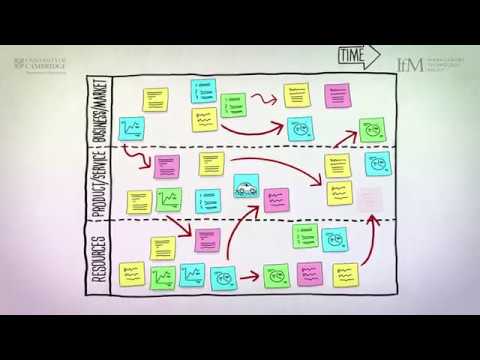
Think of a technology roadmap as the blueprint for your company's future. It lays out how your IT will grow and adapt alongside your business, whether you're planning to double your team, launch a new product, or simply work smarter. A good partner helps you invest wisely for the long haul.
So, what does this actually involve?
- Assessing Your Current Setup: First, you need an honest look at what you have. What’s working well? More importantly, what’s going to break or slow you down as you grow?
- Aligning Tech with Business Goals: Every pound spent on technology should push a business goal forward. The roadmap connects the dots between a new piece of software and a tangible business outcome.
- Planning for Future Technologies: It also means keeping an eye on the horizon. How could tools like AI or more advanced cloud services give you an edge in the years to come?
Planning like this helps you sidestep the trap of costly, short-term fixes and instead build a solid, flexible foundation for whatever comes next.
Proactive it support for small business london is about building resilience, not just performing maintenance. A strategic partner ensures your technology can scale, adapt, and stay secure, making it a true cornerstone of your long-term success.
Embracing Forward-Thinking Consultancy
The best IT providers don't just wait for your call; they act as your trusted advisors. They keep you in the loop on new developments and help you make sense of the options, ensuring you adopt new systems without compromising on security or efficiency.
As you look for new ways to grow, getting your head around concepts like digital transformation strategies is vital for staying competitive. This kind of proactive partnership is what turns IT from a necessary expense into a powerful strategic asset. When you future-proof your technology, you’re really future-proofing your entire business, giving you the agility to succeed in London for years to come.
Got Questions About IT Support? We've Got Answers.
Deciding to bring in professional IT support is a big step, and it’s only natural to have a lot of questions. For London business owners, getting clear, straightforward answers is essential before you sign on the dotted line. Let's tackle some of the most common queries we hear from small businesses just like yours.
We've pulled together the essential information to help you understand what you're really paying for, what to expect, and how it all works in practice.
How Much Does IT Support Actually Cost for a Small Business?
This is always the big question, and the honest answer is: it depends. Most modern IT partners have moved away from the old, unpredictable "break-fix" model. Instead, you'll likely find a simple, predictable monthly fee based on how many people or computers you need to cover. This makes budgeting a whole lot easier.
For a small business in London, a typical price range is £30 to £70 per user, per month. What you end up paying will hinge on a few key things:
- Your Service Level Agreement (SLA): If you need guaranteed, lightning-fast responses, that will cost more than a standard service.
- The Level of Cybersecurity: All good support includes basic protection, but if you need advanced threat hunting or help with compliance, that’s a higher-tier service.
- On-Site vs. Remote Support: Do you need an engineer to be able to visit your office, or can all your issues be sorted out remotely?
The most important thing is finding a provider who is completely transparent about their pricing. You should know exactly what’s included in your monthly fee and what isn’t.
What on Earth Is a Service Level Agreement (SLA)?
An SLA is a non-negotiable part of any IT support contract. It's the provider's formal promise to you, spelling out exactly the level of service you're paying for. Think of it as the official rulebook for your relationship.
An SLA is your guarantee. It gets rid of vague promises and sets concrete, measurable targets for how quickly your provider will respond and fix problems. It’s what ensures you get the support you need, when you need it.
It should clearly define how quickly they’ll acknowledge a new problem (response time) and the timeframe they have to actually solve it (resolution time). A solid SLA is the hallmark of a professional, accountable IT partner. Without one, you’re just hoping for the best.
Do We Really Need 24/7 Support?
Whether you need round-the-clock support comes down to how your business runs. If everyone works a standard 9-to-5, then support during office hours might be all you need. Simple. But let's be honest, not many London businesses fit that traditional mould anymore.
Ask yourself if your business:
- Has staff working flexible hours or logging in from different time zones.
- Depends on systems that have to be online all the time, like an e-commerce shop.
- Needs to be protected from cyber threats that don’t stick to a 9-to-5 schedule.
If a server crashing overnight would cause chaos the next morning, then 24/7 support is less of a luxury and more of a necessity. It’s about peace of mind—knowing a critical issue will be tackled immediately, not left festering until the next working day. Choosing the right IT support for small business London is all about matching the service to your real-world needs.
Ready to secure your business with reliable, proactive IT support? The expert team at HGC IT Solutions provides managed IT services designed to keep London businesses secure, efficient, and ready for growth. Get in touch with us today to learn how we can become your trusted technology partner.
