

Think of a business broadband bundle as your company's "all-in-one" communications deal. It rolls your internet, phone lines, and sometimes even mobile plans into a single, straightforward package from one supplier.
It's a bit like getting a set menu at a restaurant instead of ordering everything à la carte – you get what you need, it's simpler, and you often get a better price for it.
What a Business Broadband Bundle Actually Means

Right now, you might be juggling separate bills for your internet, your office landline, and your team's company mobiles. That means different contracts, different renewal dates, and a whole list of support numbers to call when things go wrong. It’s a real administrative headache.
A business broadband bundle is designed to clear all that clutter. You get one provider, one monthly bill, and one number to call for support.
Providers offer these bundles because it’s a win-win. You commit to more services with them, and in return, they give you a discount you wouldn't get by buying each service separately. This simplifies everything and gives you a single point of contact if you ever run into trouble.
Common Bundle Compositions
Of course, no two businesses are the same, so providers have cooked up a few different types of bundles to suit different needs. Getting to grips with what's on offer is the first step to picking the right one for you.
Here’s a quick rundown of the usual suspects:
- Dual-Play: This is the starter bundle, typically combining your business broadband with a VoIP phone system or a classic landline. It’s a great fit for small offices or start-ups that just need a solid internet connection and a professional phone number.
- Triple-Play: This is often the sweet spot for many businesses. It takes the internet and phone line from the dual-play package and adds company mobile plans into the mix. If your team is regularly out and about, this is probably the one for you.
- Quad-Play: The full works. This package includes internet, landline, mobile, and usually throws in an extra like a TV service or beefed-up cybersecurity protection.
At its core, a business broadband bundle is a strategic choice. It’s about more than just getting services; it’s about creating an efficient, cost-effective, and easy-to-manage communications infrastructure that supports your company's growth.
For businesses where a rock-solid, high-speed connection is absolutely non-negotiable, it's also worth looking beyond standard broadband. Understanding what a business leased line can offer in terms of guaranteed speeds and reliability is crucial if your operations are data-heavy.
The Real-World Wins of Bundling Your Services
Opting for a business broadband bundle isn't just about ticking boxes for internet and phone lines. It’s a smart, strategic decision that pays dividends in your company’s day-to-day efficiency, financial planning, and overall stability. The benefits run much deeper than just having fewer bills to pay.
Think about it: instead of paying separate, full-price rates for your broadband, VoIP, and mobile plans, bundling them together almost always gets you a better deal. Providers want to keep your business, so they offer attractive discounts for taking multiple services. This turns several scattered costs into one predictable, lower monthly payment, making your budgeting simpler and freeing up cash for other things.
That simplification is a huge win on its own. One provider means one contract to manage, one renewal date to remember, and one phone number to call when you need help. It cuts down on the admin headache of chasing different invoices and trying to figure out who to contact for what.
One Point of Contact for Smoother Support
When all your services are with one provider, you sidestep that classic, frustrating "blame game." Is your VoIP call quality poor because of the phone system or the internet connection? With separate suppliers, you could spend hours being passed back and forth.
With a bundle, it doesn't matter. There’s a single team accountable for your entire communications stack. This unified support means troubleshooting is much faster because the technicians understand how all the pieces fit together. It’s the same logic that makes integrated IT support so effective, a concept we explore in our guide to the benefits of managed IT services.
Better Reliability When It Matters Most
Business-grade bundles are also built for resilience. They almost always come with a Service Level Agreement (SLA), which is a formal guarantee of uptime that you just don't get with standard home broadband. This promise of stability is absolutely vital, because every minute your connection is down, your business is losing money.
The cost of poor connectivity is shocking. Recent figures revealed that internet downtime cost the UK economy an estimated £17.6 billion in just one year. On an individual level, the average employee loses 38 hours of productive time annually because of connection problems.
It's no surprise that 71% of UK business leaders say unreliable broadband directly hurts their operations. Securing a stable, business-grade connection isn't a luxury; it's a fundamental requirement. You can dig deeper into the impact of broadband disruptions on UK businesses to see the full picture.
Choosing a business broadband bundle is more than a purchase—it's an investment in a more robust, efficient, and productive way of working. It’s a strategic move that safeguards your output and strengthens your bottom line.
What to Look For in a Business Broadband Bundle
Not all business broadband packages are created equal. When you’re hunting for a deal, it’s easy to get fixated on the headline price, but the real value is hidden in the details. You need features that make sure your connection is reliable, secure, and ready to handle whatever your business throws at it.
Think of it like buying a work van. A basic model might get you from A to B, but a delivery company needs a powerful engine and a massive payload capacity. In the same way, your broadband bundle needs the right engine to power your digital operations.
This infographic neatly sums up why bundling is so appealing for businesses, highlighting how savings, simplicity, and reliability all feed into each other.

The main takeaway here is that these benefits aren’t isolated; they work together to create a stronger, more efficient foundation for your company.
The Non-Negotiables
When you start comparing providers, there are a few features that are absolutely essential for any modern business. These aren't just 'nice-to-haves'—they're the bedrock of a professional service you can actually depend on.
- Guaranteed Speeds: Don't get caught out by vague "up to" speeds. A proper business connection should come with guaranteed or even symmetrical speeds (where upload is as fast as download). This is what ensures your video calls don't stutter and large files fly up to the cloud without a hitch.
- A Static IP Address: This is a must-have if you host your own website, run an on-site server, need a VPN for remote staff, or operate a CCTV system. A static IP is a permanent, fixed address for your network on the internet, which is crucial for these services to work reliably.
- A Rock-Solid Service Level Agreement (SLA): This is the provider's formal promise to you. A good SLA will clearly define guaranteed uptime (like 99.9%), specify how quickly they'll respond to faults, and outline what compensation you'll get if they don't meet their targets. It's your insurance policy against costly downtime. Our article on https://hgcit.co.uk/blog/it-service-level-agreements/ explains why this is so critical.
Advanced Connectivity and Voice Services
Thanks to a huge investment in national infrastructure, UK businesses have more connectivity options than ever. With nationwide gigabit coverage now reaching over 80% of premises, high-speed full-fibre is no longer a luxury—it's widely available.
This superfast infrastructure makes integrated voice services incredibly powerful. When looking at bundles, think about how services like the best VoIP services for small business could completely change how you communicate. A modern VoIP system gives you features like smart call routing, voicemail-to-email, and the ability to take calls on any device, turning your phone line into a flexible, modern communications hub.
Here's a quick look at which features tend to matter most for different kinds of businesses. It's not a one-size-fits-all situation, so it helps to see what your peers might prioritise.
Essential Features in a Business Broadband Bundle
| Feature | Startup / Small Office | Retail / Hospitality | Remote-First Company |
|---|---|---|---|
| Guaranteed Speed | High – Essential for cloud apps and collaboration. | Medium – Focus on reliability for POS and guest Wi-Fi. | Critical – Symmetrical speeds needed for video calls & VPN. |
| Static IP Address | Medium – Important if hosting a server or needing VPN access. | High – Crucial for CCTV, POS systems, and secure access. | High – Essential for secure VPN access to company resources. |
| Service Level Agreement (SLA) | High – Downtime can halt all operations. | Critical – Connection failure means no sales or bookings. | Critical – The entire business depends on connectivity. |
| VoIP Phone System | High – Scalable and professional phone features from day one. | High – Great for customer service lines and multi-site coordination. | Critical – The primary tool for internal and external calls. |
| Enhanced Security | Medium – Basic firewall and filtering are a good start. | High – Needed to protect payment data and guest networks. | High – Advanced threat protection is a must for a distributed team. |
As you can see, while everyone needs a reliable connection, a remote-first company's "must-haves" look quite different from those of a high-street shop. Thinking about your specific operational needs is the key to picking the right bundle.
Choosing the right business broadband bundle means looking past the advertised speed and price. It’s about building a reliable digital foundation with the right guarantees, security, and features to keep your company running smoothly, no matter what.
How to Budget for Your Business Broadband Bundle
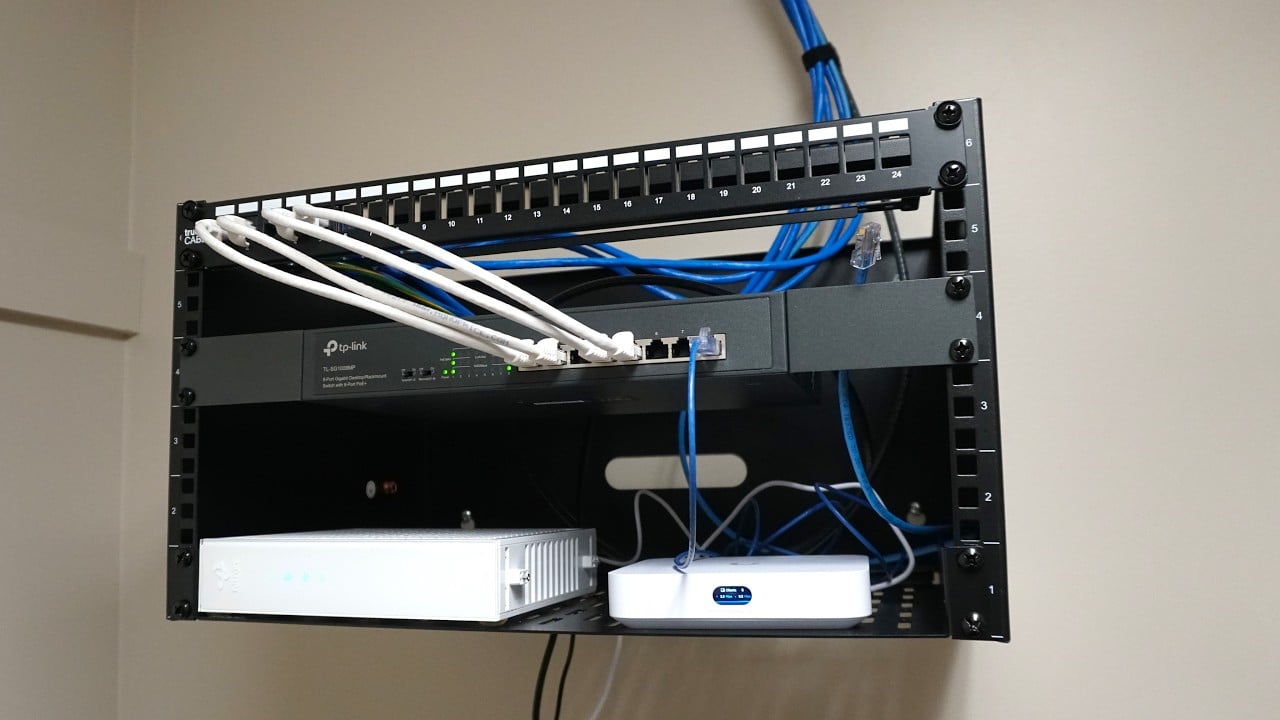
Figuring out what a business broadband bundle will actually cost can feel like a bit of a minefield. The price you see in the advert is really just a starting point. To create a realistic budget, you need to dig a little deeper to avoid any nasty surprises on your bill later on.
It’s a bit like booking a cheap flight. The headline fare looks like a bargain, but once you’ve added on the cost for luggage, seat selection, and a sandwich, the final price is often double what you expected. Broadband bundles can catch you out in the same way if you’re not careful.
Uncovering the Total Cost
To get the real picture, you have to look past the monthly fee and ask providers for a complete breakdown of every single cost. It’s amazing how often extra charges are tucked away in the small print, ready to inflate your bill.
Make sure you ask about these things right from the start:
- Installation and Setup Fees: Is there a one-off payment to get everything connected? This can easily run into hundreds of pounds, especially if your office needs new cabling.
- Hardware Costs: Do you have to buy or rent their specific router or phone system? Those monthly rental fees might seem small, but they really add up over a two or three-year contract.
- Early Termination Penalties: What happens if you have to move offices or find a better deal before your contract is up? Getting out early can be incredibly expensive, so you need to know what you’re committing to.
- Mid-Contract Price Rises: Always check the fine print for clauses that let the provider bump up your monthly price, which they often do each year in line with inflation.
A good business broadband bundle is one with transparent, honest pricing. You’re looking for a package where the long-term value is obvious, not one that hides costs in confusing terms and conditions.
Navigating Market Pricing Trends
The price you’ll end up paying is also shaped by what’s happening in the wider market. Here in the UK, the cost of different bundles has been changing quite a bit, so it really pays to shop around and compare your options.
For example, a recent look at the broadband market revealed some interesting trends.
The average monthly price for dual-play (internet and phone) and triple-play (internet, phone, and mobile) bundles has actually gone up. Dual-play bundles saw a 7.65% increase, while triple-play bundles rose by 7.57% in just one year.
But, it’s a different story for quad-play bundles, which usually throw in an extra service like advanced security. The price for these packages actually dropped by a huge 18.84%, making them a much more attractive choice for businesses trying to get the most for their money. You can dive into more of these broadband pricing statistics to see the full picture.
Knowing about these shifts helps you spot a genuinely good deal. A quad-play bundle that seems slightly more expensive at first glance might actually save you money in the long run compared to a basic package, especially once you add up all the features and protection it gives you. Doing your homework now means you can invest confidently in a bundle that’s both affordable and right for your business.
Finding the Right Broadband Provider

Choosing a business broadband bundle isn't just a simple transaction. You're not just buying a service; you're starting a partnership. Think about it – this is the provider you'll be calling when things go wrong, and in business, a dead connection can mean lost revenue.
A fantastic price on paper means absolutely nothing if the service is constantly dropping and the support team is nowhere to be found. You need a partner who has your back.
So, how do you find the right one? Look past the flashy adverts and get into the real details of their reputation. Don't just take their word for it. Dive into independent customer reviews on sites like Trustpilot, find case studies from businesses your size, and check out official performance reports from regulators like Ofcom.
Key Questions to Vet Potential Providers
Before you even think about signing a contract, you need to ask some direct questions to see what you're actually getting. A solid provider will have clear, confident answers.
When you're comparing your options, it helps to have a checklist ready. These are the crucial questions that will tell you if a provider is genuinely business-grade or just a consumer service in disguise.
Provider Comparison Checklist
| Evaluation Area | Key Question to Ask | Why It Matters |
|---|---|---|
| Support | What are your support hours? Do you offer 24/7 UK-based technical help? | You need an expert on the line immediately when a critical outage happens, not the next business day. |
| Reliability | Can you show me specific uptime statistics for your network in my area? | Vague promises are a red flag. A good provider will have hard data and a solid Service Level Agreement (SLA). |
| Scalability | How easy is it to upgrade my speed or add more services as we grow? | Your business will change. Your provider should make it simple to scale your services up (or down) without penalties. |
Asking these questions helps you understand the reality behind the marketing promises. You're looking for a provider who can keep up with your ambitions.
The goal is to forge a long-term partnership with a provider that supports your business's ambitions. Think of it as hiring a critical supplier—their reliability directly impacts your own.
For many businesses, especially those without a dedicated IT department, the quality of that technical support is the most important factor. This is where your provider truly shows their worth, acting as an extension of your own team. Understanding what great support looks like is key. You can get a clearer picture by exploring this guide to the top managed service providers in the UK, which really drives home the value of having responsive experts on your side.
Common Questions About Business Broadband Bundles
As you get closer to picking a business broadband bundle, a few last-minute questions always seem to pop up. Getting straight answers to these common queries will give you the confidence you need to make the right call, ensuring your new package is a perfect fit for how you work.
Let’s dive into some of the most frequent questions we hear from business owners and break down the practical details that really matter.
What Is the Difference Between Business and Residential Broadband?
In a word: reliability. Business broadband is built for the demands of a commercial environment, which is why it almost always comes with a Service Level Agreement (SLA). Think of this as a contract that guarantees a certain level of uptime—like 99.9%—and promises to get you back online much faster if things go wrong.
Your home internet connection just doesn't have that safety net. If it goes down, you could be waiting days for a fix. With a business package, you’re at the front of the queue for support, which is critical for minimising costly downtime.
Another key difference is that business broadband bundles usually give you a static IP address. This is a permanent, unchanging address for your network. It’s absolutely essential if you host your own website, run a VPN for staff working remotely, or use a VoIP phone system. Home connections use dynamic IPs that change all the time, making them a non-starter for these kinds of professional setups.
Can I Switch Providers if I Am in a Contract?
Technically, yes, you can switch providers while you’re still in a contract. The catch? You’ll almost certainly be hit with an early termination fee. These fees can be hefty, often adding up to a huge chunk of your remaining contract value, so it’s rarely a smart financial move.
Before you do anything, dig out your current agreement and read the fine print on penalties. The best strategy is to time your switch for when your contract is about to end.
Give yourself a two- to three-month window before your current contract expires. That’s plenty of time to research new business broadband bundles, schedule the installation, and give your old provider the required 30-day notice. This way, you get a smooth changeover without any service gaps.
Does My Business Need a Static IP Address?
You probably need one if your business hosts any of its own services. A static IP acts like a permanent, reliable street address that other systems on the internet can easily find and connect to.
Ask yourself if you do any of these things:
- Host your own website or email server in your office.
- Provide VPN access so employees can securely connect to the office network from anywhere.
- Use a VoIP phone system, which needs a fixed address to work properly.
- Run security systems like CCTV cameras that you need to access when you’re off-site.
If your work is entirely in the cloud—using tools like Google Workspace or Microsoft 365—and you don't host a thing, a standard dynamic IP might do the job. That said, most business broadband bundles include at least one static IP as standard or offer it as a cheap add-on.
How Much Broadband Speed Does My Business Really Need?
The right speed isn’t about getting the fastest connection out there; it’s about matching the speed to your team’s size and what they actually do online every day. The goal is to keep things running smoothly without paying for power you’ll never use.
Here’s a good rule of thumb based on your day-to-day operations:
- 1-5 Employees: If you’re mostly sending emails, browsing the web, and using a few cloud apps, a speed of 50-80 Mbps will feel perfectly fine.
- 10-20 Employees: For teams that are regularly on VoIP calls, joining video conferences, and heavily using cloud-based software, you should be looking for something between 100-300 Mbps.
- 20+ Employees or Data-Heavy Work: For larger teams or any business that shifts big files, works with high-res video, or runs data-hungry applications, a gigabit connection (1000 Mbps) is the new standard.
It’s always a good idea to aim for a speed slightly higher than what you think you need right now. This gives you a bit of a buffer for busy periods and makes sure your connection can keep up as your business grows.
Ready to build a reliable digital foundation for your business? HGC IT Solutions provides expert guidance and managed IT services to help you choose and implement the perfect connectivity solution. Contact us today to discover how we can support your growth.
